
Why Website Uptime Matters and How to Choose a Reliable Host
Website downtime costs you visitors, trust, and revenue. Here’s what uptime really means and what to look for when choosing a reliable hosting provider.
When a website goes down, it doesn’t just disappear from view — it loses visitors, damages trust, and in many cases, costs money. For businesses that sell online, every minute of downtime is a minute without sales. For everyone else, it’s a minute where a potential customer found a competitor instead.
Uptime is one of the most important hosting factors people don’t pay enough attention to when choosing a provider. Here’s why it matters and what to actually look for.
What Uptime Actually Means
Uptime refers to the percentage of time your website is online and accessible. A host that promises 99.9% uptime sounds impressive, but let’s put it in concrete terms: 99.9% still allows for about 8.7 hours of downtime per year. That might be acceptable for some sites, but if your business depends on being online 24/7, even a few hours of unexpected downtime can be damaging.
99.99% uptime translates to roughly 52 minutes of downtime per year — a significant improvement. The difference between these numbers matters far more than it initially appears.
What Causes Downtime
Not all downtime is the same. Common causes include:
- Server hardware failures — physical components fail; providers with redundant infrastructure can automatically switch to backup systems.
- Planned maintenance — necessary but should happen during off-peak hours and with advance notice.
- Traffic spikes — shared hosting plans especially can buckle under sudden traffic surges. Our guide on cloud hosting explains how distributed infrastructure handles spikes better.
- Software issues — misconfigured updates, plugin conflicts, or security breaches can all bring a site down.
- DDoS attacks — malicious traffic floods designed to overwhelm servers.
What to Look for in a Reliable Host
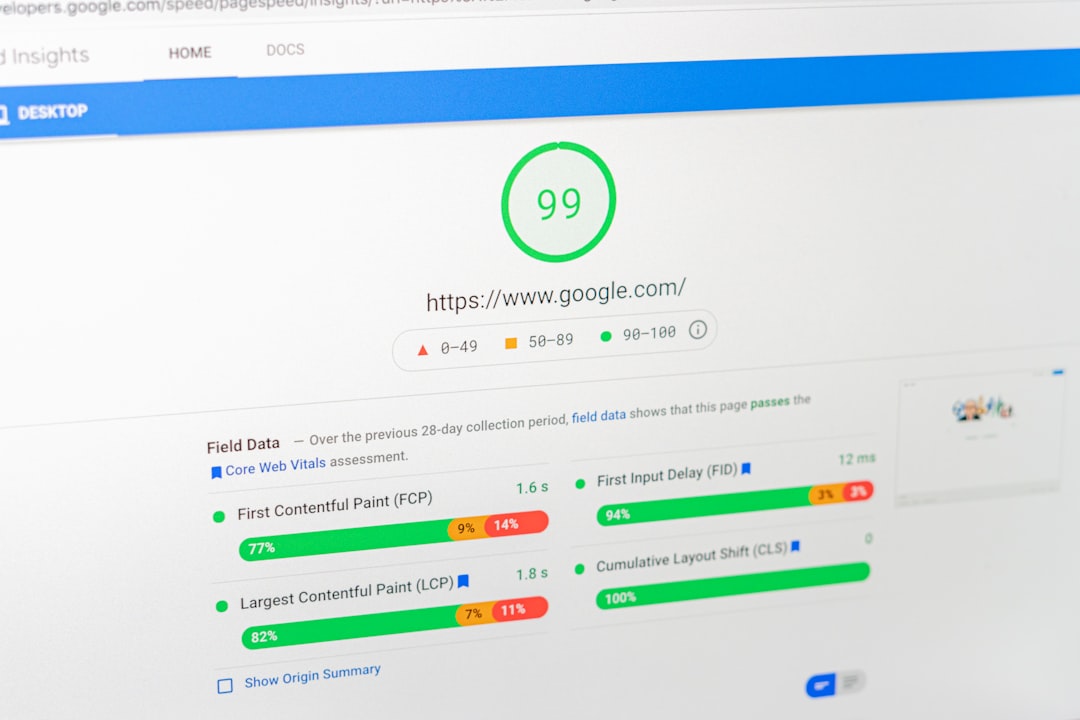
The uptime percentage in an advertisement is just a starting point. Here’s what actually tells you whether a host can back it up:
- An SLA with real consequences. Does the provider offer service credits or refunds if they fall below their uptime guarantee? If there’s no stated consequence for missing their promise, the promise doesn’t mean much.
- Redundant infrastructure. Look for providers that use multiple data centers or have automatic failover systems — so if one server goes down, your site stays up on another.
- DDoS protection. Basic protection against common attack types should be included, not sold as a premium add-on.
- Transparent incident reporting. Good hosts have a public status page where you can see current and historical outages. Hiding downtime is a red flag.
- Proactive monitoring. Some hosts notify you immediately when your site goes down; others wait for you to notice and complain. The former is far preferable.
Uptime and Your Hosting Plan Type
The type of hosting you’re on directly affects your uptime potential. Shared hosting is more vulnerable to downtime from other tenants on the same server. VPS and dedicated hosting give you isolated resources, so other sites can’t affect your availability. For a comparison, see our VPS vs shared hosting guide. For a technical reference on what enterprise-level uptime monitoring looks like, Cloudflare’s site reliability overview is worth reading.
The Bottom Line
Uptime isn’t just a technical metric — it directly affects your reputation, your revenue, and how much your visitors trust you. When comparing hosting providers, don’t just read the uptime percentage. Read the SLA, look for a public status page, and ask about their infrastructure redundancy.
At SAPH Solutions, we’re upfront about our uptime commitments and what happens if we fall short. If you’d like to talk through what reliability looks like for your specific site, we’re happy to have that conversation.
